
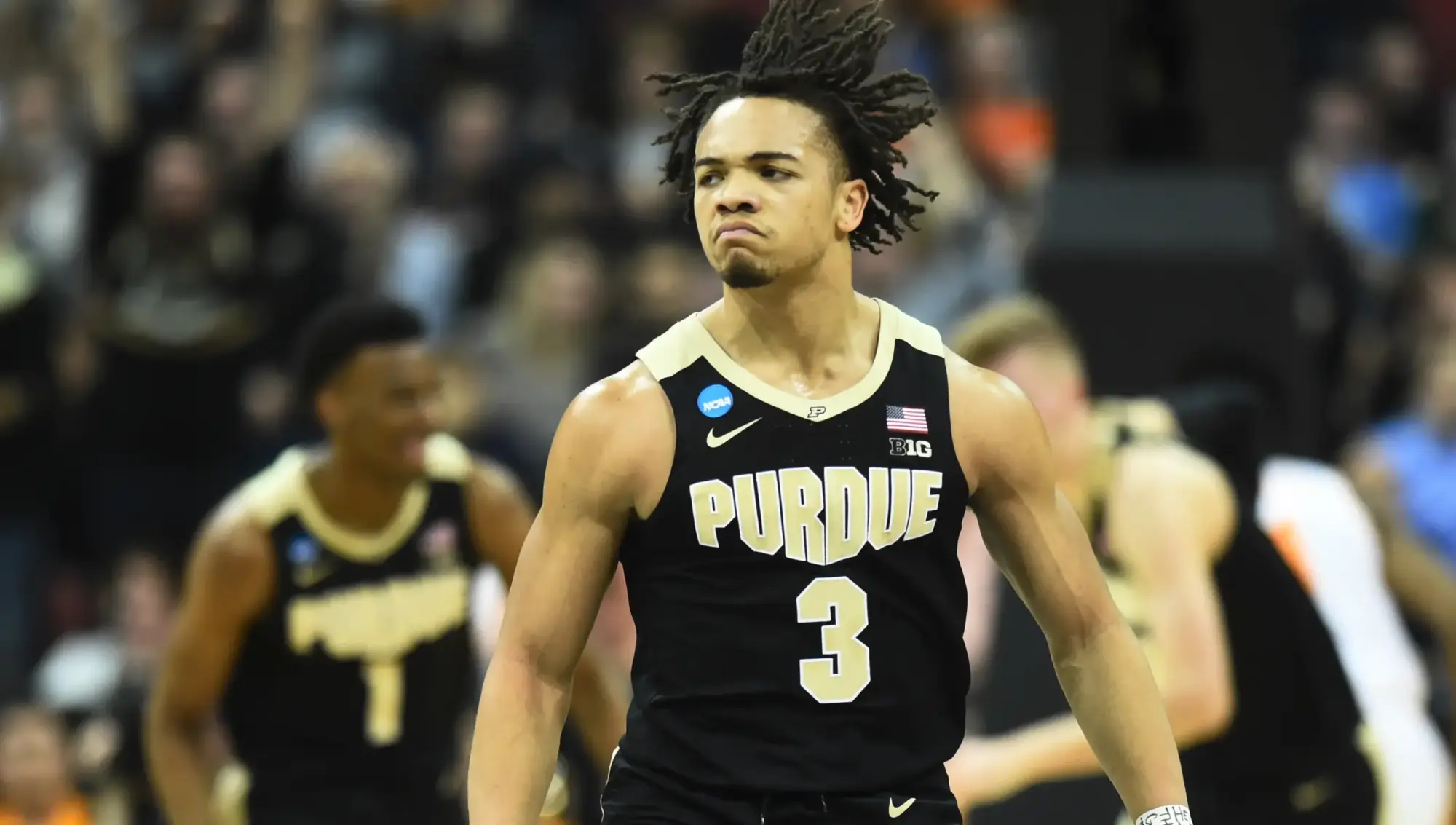
When Purdue made its 2019 March Madness run, it wasn’t just about shot-making – it was about structure. The Boilermakers’ Zoom offense blended shooting gravity, screening precision, and quick decision-making in a way that constantly stressed defensive rules.
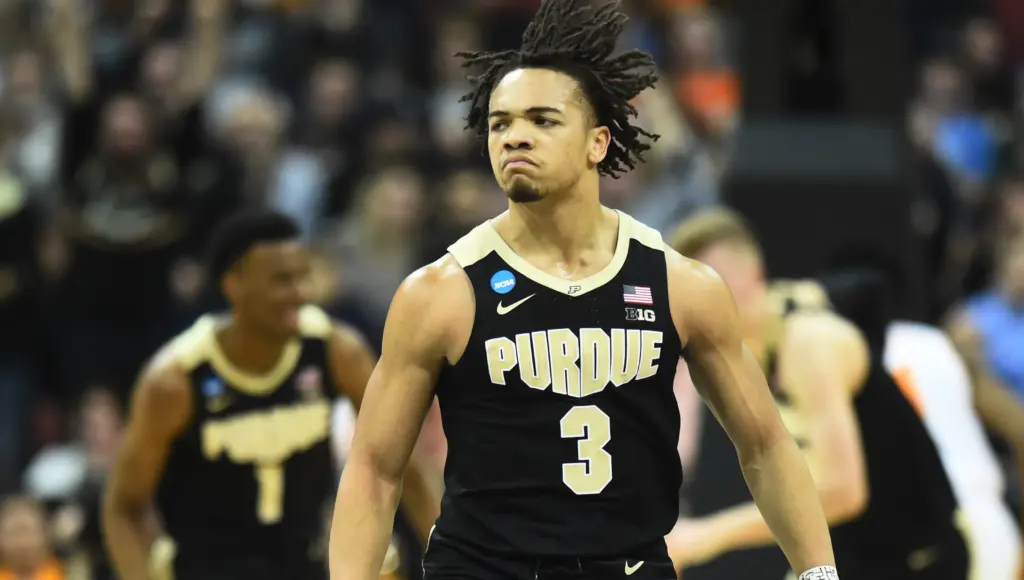
At the center was Carsen Edwards’ nuclear scoring ability. Around him – Matt Haarms’ screening and rim presence, and elite shooting wings like Ryan Cline – Purdue created a system that forced defenses to abandon comfort.
The Core Pieces
Carsen Edwards – Three-Level Scoring Gravity
Edwards wasn’t just a high-volume scorer – he was a coverage breaker.
- Deep pull-up range well beyond the arc, forced defenses to attempt to run him off the line.
- Explosive first step to attack closeouts
- Strength to finish through contact
- Shot-making off movement, not just isolation
Because he could score at all three levels, defenses couldn’t sit in one coverage. Go under? he shoots. Hedge high? he splits or rejects. Switch? he hunts the mismatch. Trap? he gives it up early and relocates.
Matt Haarms – The Connector
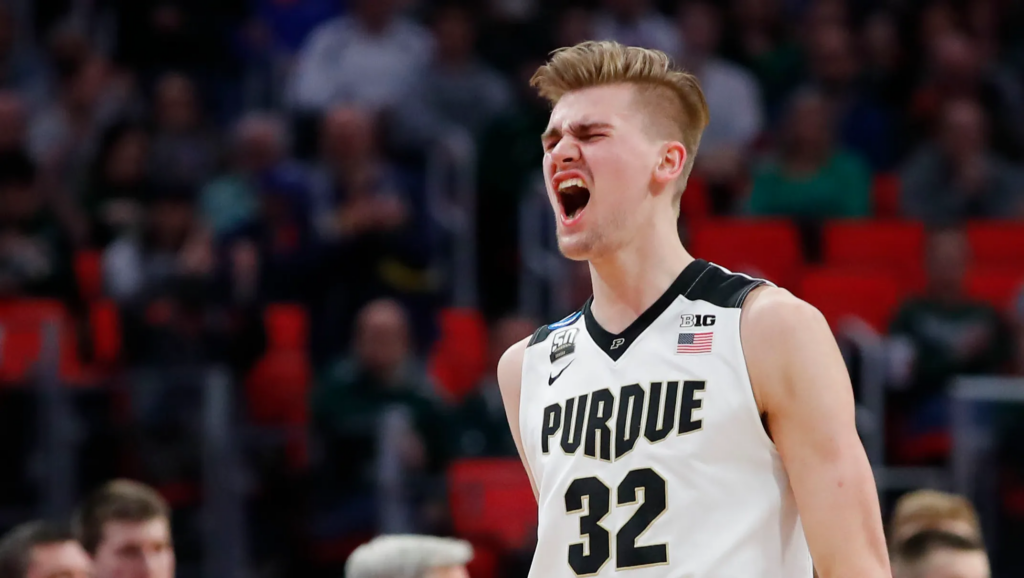
Haarms wasn’t just a 7-foot rim protector – he was the structure behind the spacing.
- Wide base screens
- Strong angle discipline
- Held contact timing to free guards
- Rim-running gravity
His ability to screen and then either roll hard or pop into space forced tag decisions. If the defense switched, he sealed. If they stayed in drop, Edwards punished it.
Ryan Cline – Movement Shooting Punishment
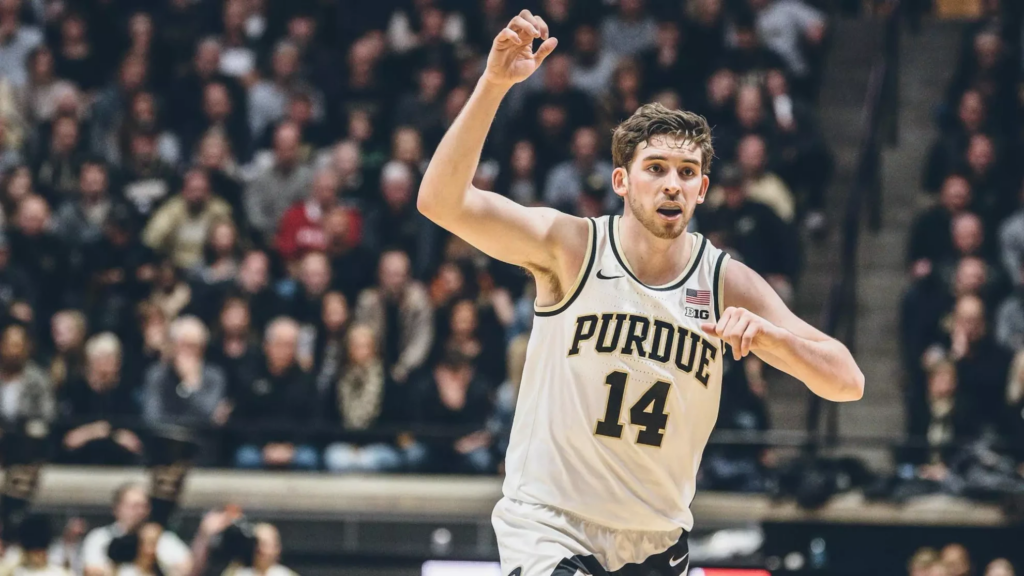
Cline’s value wasn’t just shooting – it was his movement and ability to space the floor at a high clip.
- Twist screens into quick-release 3s
- Pin-downs with immediate lift
- Relocation on Edwards drives
If defenses loaded up on Edwards, Cline made them pay. His off-ball gravity meant help defenders couldn’t stunt and recover casually. One step too far – it was three points booked.
Why Versatility Breaks Defensive Systems
Most defenses want system answers:
- Switch everything
- Hard hedge everything
- Ice side ball screens
- Sit in drop
Purdue forced coaches to individualize scout detail.
Because:
- Edwards required one plan
- Cline required another
- Haarms created mismatches on switches
- And you couldn’t just sit on their 4th/5th/bench options. They were efficient shooters and smart drivers. Knew how to make plays (most importantly)… WITHOUT TURNING THE BALL OVER.
When you individualize scouting, you lose defensive rhythm. Instead of “this is what we do,” it becomes “this is what we do against him.” That fragmentation creates indecision.
And indecision is death against a connected offense.
Exploiting Switch-Heavy Teams
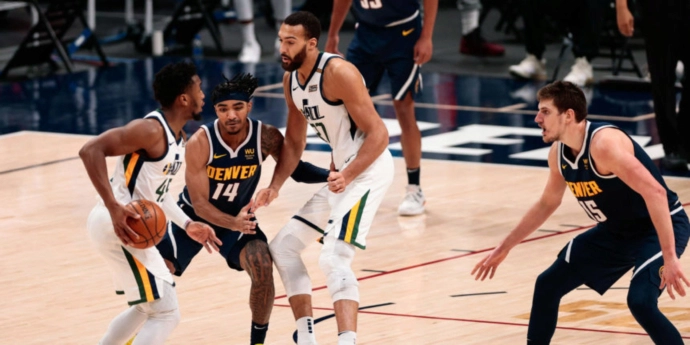
Teams that defaulted to switching exposed themselves.
- Guards switched onto Haarms – immediate seal or high-low look
- Bigs switched onto Edwards – isolation attack or spot up on drop
- Late switches – slip screens and split cuts
The ball never stuck. Purdue was quick to give it up to the advantage. That’s what made them so hard to guard – they didn’t force shots, they forced mismatches and attacked them immediately.
The Zoom action created layers:
- Twist screens for Cline 3s
- Ball screens for Edwards
- Simple pin-downs into dribble handoffs
- Split reads when defenders top-locked
Every option flowed into the next.
They Were Great Screeners
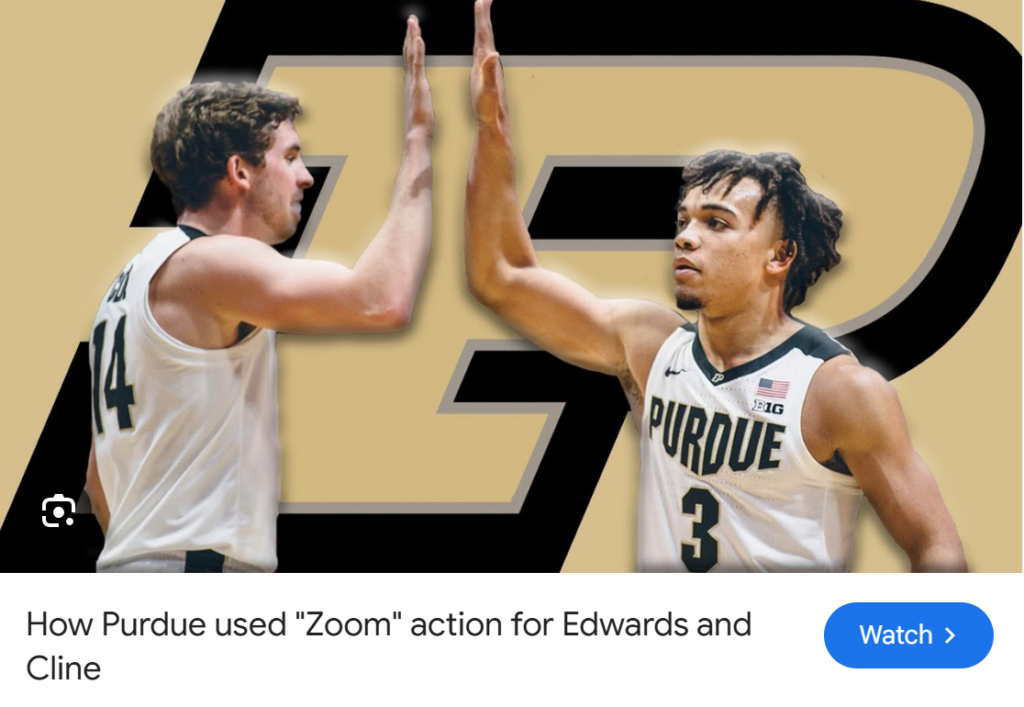
This doesn’t get talked about enough.
Their screening fundamentals created the spacing:
- Wide base
- Strong chest positioning
- Correct angle
- Hold timing through contact
Spacing wasn’t random – it was manufactured.
Because screens were set with discipline, timing windows were consistent. That allowed guards to read coverage in rhythm, not in chaos.
By The Numbers
- Top 10 nationally in 3-point attempts
- Top 15% nationally in 3-point percentage
- Top third nationally in assists
- Top third nationally in points scored
That combination matters.
High volume + high efficiency + ball movement = scalable offense. You couldn’t simply run them off the line. If you did, they finished inside. If you collapsed, they kicked out.
Big-Time Wins
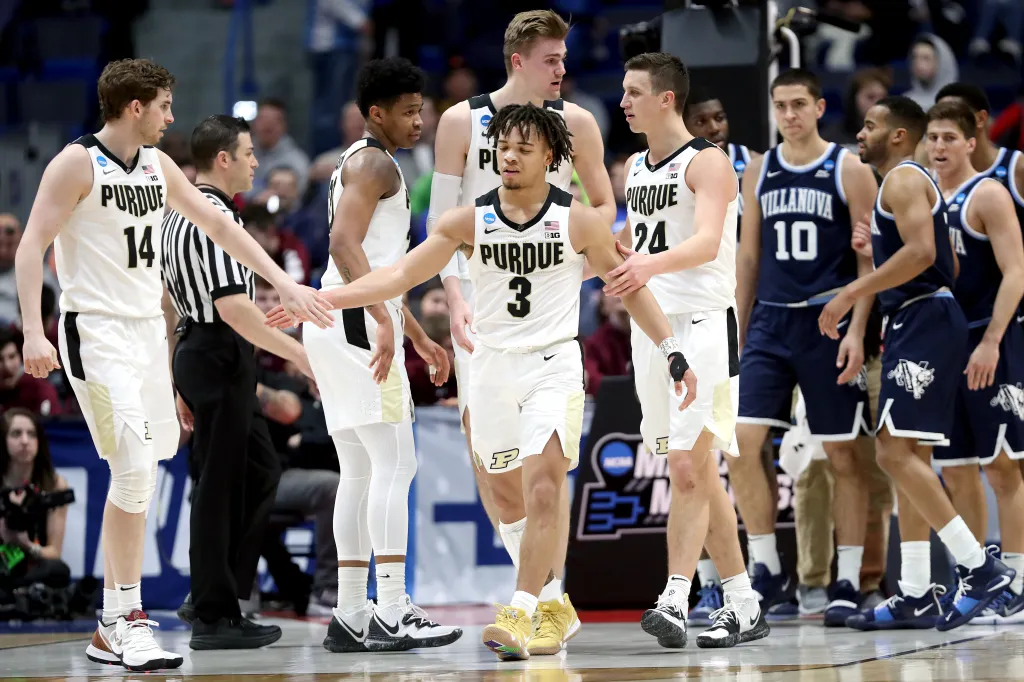
84-80 (OT) vs Wisconsin Badgers men’s basketball
Late-game execution and Edwards shot-making carried them through a grinder.
73-63 vs Michigan State Spartans men’s basketball
Disciplined spacing and coverage exploitation against an elite defensive program.
87-61 (Round of 32) vs Villanova Wildcats men’s basketball
Offensive rhythm from start to finish – spacing overwhelmed help rules.
99-94 (Sweet 16) vs Tennessee Volunteers men’s basketball
One of the most explosive offensive performances of the tournament – shot-making plus structure.
The Real Lesson
The effectiveness of Purdue’s Zoom offense wasn’t just that they had a hot scorer.
It was that:
- Every player could hurt you in a different way
- Every screen had purpose
- Every read had a counter
- Every mismatch was attacked immediately
When an offense forces individualized scouting instead of allowing set defensive rules, it exposes rigidity.
And in March, rigidity gets eliminated.