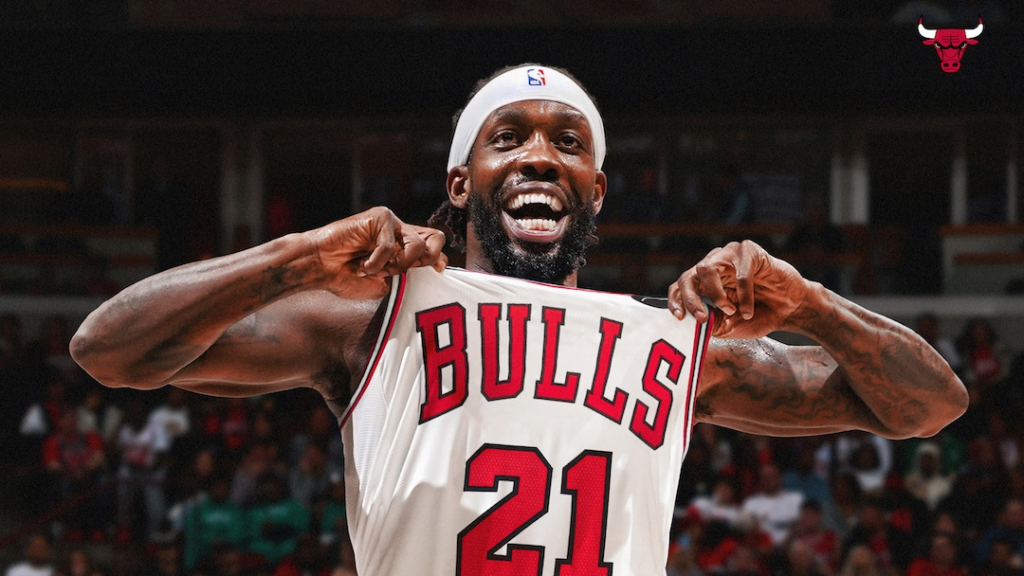
Man the hooper that don’t quit. The old saying applies to the walk-on that battles like he has a scholarship on the line every day. It also applies to the old dude at the YMCA who insists on playing the hardest defense in the history of ever… you know… the guy who faceguards you when the rock is on the opposite 45… that guy. But this principle applies to your everyday life as well. The one who shows up to work everyday ready to hit quotas even if yesterday they fell flat on their face. The parent who shows up for their kids everyday even if they have to put on a fake face because another area of their life isn’t going right. The people who have a genuine desire to be great in any field of life will inevitably always come out a winner.
The Power of the Player Who Never Stops Showing Up
Basketball doesn’t reward everyone equally in the moment.
Some players get wins early. Some hit shots early. Some get praise early.
But the game has always rewarded one type of person in the long run:
The one who keeps showing up.
Not the loudest.
Not always the most talented.
Not always the most recognized.
Just the most consistent. Always at workouts. Always getting the mile run in. Always getting extra free throws in. Always. Always. Always. All-Time Reliable.
Showing up is a skill. And like any skill, it compounds.

Showing Up Creates Opportunity
Every time you walk into a gym, you’re stepping into opportunity.
Opportunity to learn something new.
Opportunity to sharpen something old.
Opportunity to make a mistake and understand why it happened.
Opportunity to see the game a little clearer than you did yesterday.
You don’t need a perfect workout.
You don’t need to feel motivated.
You don’t need everything to click.
You just need to be there.
Because reps stack.
And stacked reps become experience.
And experience becomes instinct.

The player who keeps showing up slowly builds a deeper relationship with the game than the player chasing quick validation.
Knowledge Compounds Quietly
Most basketball growth is invisible at first.
It shows up as:
- Better spacing
- Better timing
- Quicker reads
- Smarter shot selection
- Calmer decision-making
None of that looks flashy on day one or shows up directly in box scores.
But over months and years, it separates players.
The one who keeps showing up starts to understand why things work, not just what works. That difference is massive.
They’re not just running plays.
They’re reading the floor.
They’re not just reacting.
They’re anticipating.
That only comes from staying in the process long enough for patterns to reveal themselves.
The Trap of the Early Win
Some players get a win early and mistake it for arrival.
They use new flashy moves learned in training.
Have a great game.
Get some attention.
And instead of leaning into the work, they get too comfortable.
Comfort feels earned.
Progress quietly stalls.
Basketball doesn’t punish complacency immediately.
It waits.
Weeks pass.
Months pass.
Then suddenly the game feels faster.
Teammates pass them up.
Confidence dips.
Not because they lost talent.
Because they stopped showing up the same way. The gym is what we call an “even keel.” When you have these dips and moments where you don’t feel on top of the world, the gym brings you back to even keel because it is a space where you cannot lose if you show up and work. When you have the best game of the season and show up to the gym, it is your even keel to remind you why you had the opportunity to have a big-time showing.

The Long-Game Player Is Dangerous
The player who keeps showing up usually loses early.
They miss shots.
Get cut.
Sit on benches.
Feel overlooked.
But they build something underneath all of it.
Work ethic.
Self-awareness.
Resilience.
Routine.
So when their moment finally comes, they don’t panic.
They don’t feel lucky.
They don’t feel finished.
They feel… normal.
Because showing up is normal for them.
That’s what makes them dangerous.
Their win doesn’t change their habits.
Their habits created the win.
And tomorrow looks exactly the same.
Back in the gym.
Back in the film room.
Back in the process.
Consistency Is a Form of Belief
Showing up is you telling yourself:
“I’m worth investing in.”
“I trust the process.”
“I don’t need shortcuts.”
Not every day will feel productive.
Not every workout will feel good.
But belief isn’t built on feelings.
It’s built on action.
And action, repeated long enough, becomes identity.
You’re no longer trying to be a workhorse.
You’re a workhorse.
Final Thought
Basketball history isn’t written by who peaked first.
It’s written by who stayed in the fight longest.
So if you’re early in your journey and nothing feels special yet:
Good.
Keep showing up.
Because when your win comes, you won’t get comfortable.
You’ll get back to work.
Just like you always have. Because that what feels normal to the person who doesn’t stop showing up.